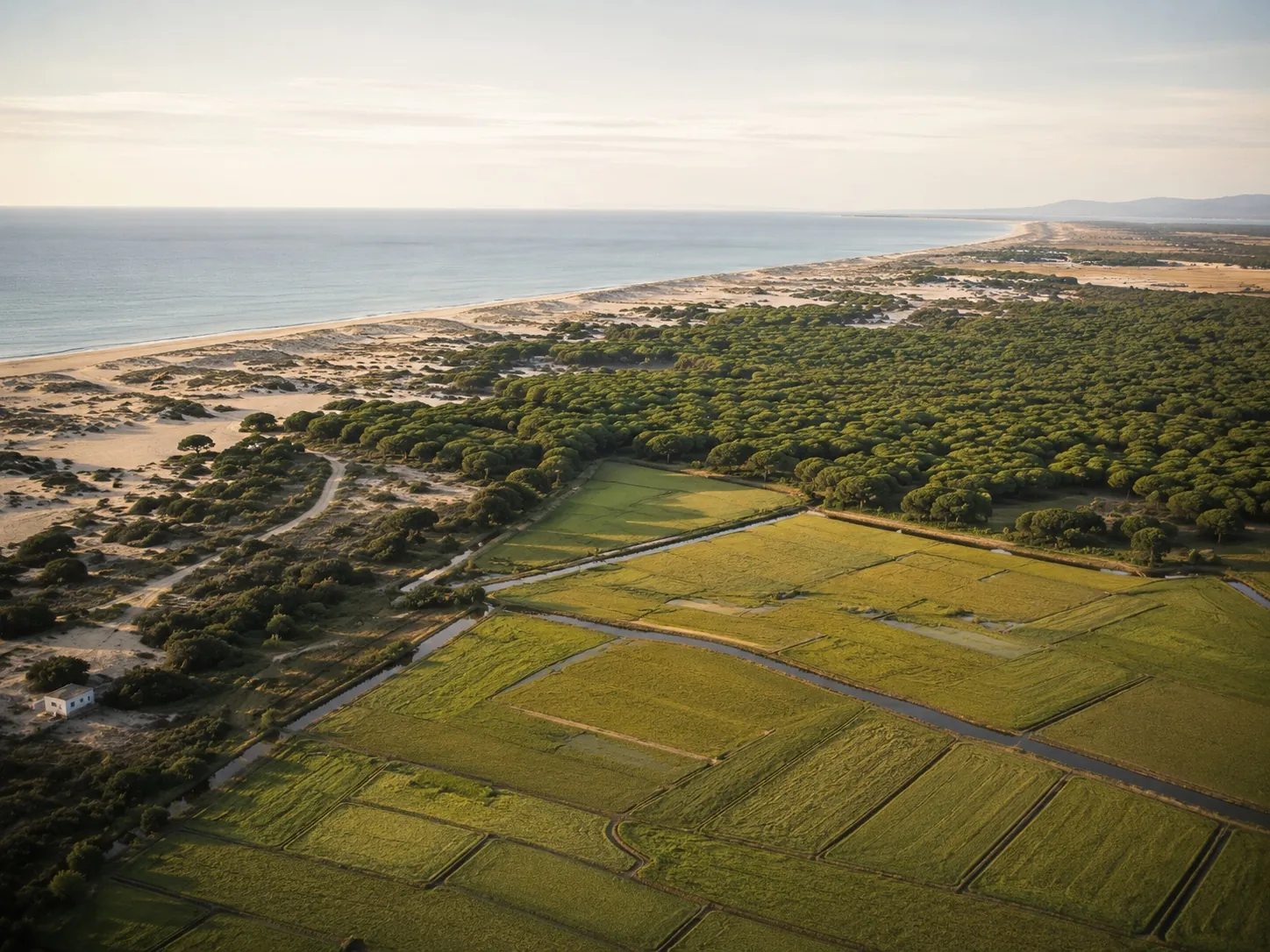
An hour south of Lisbon, the road crosses the Sado estuary and the light changes. Rice fields run flat to a line of umbrella pines, and behind the pines there is sand, and behind the sand an Atlantic that stretches to the horizon. This is Comporta. It does not announce itself, which is precisely the point.
What Comporta actually is
People say Comporta and mean a coastline. The name belongs to one village, but the place is a string of hamlets along the Tróia peninsula and the Alentejo coast: Comporta and Carvalhal at the centre, Pego and Brejos beside them, Melides further south, Sol Tróia to the north. Twelve kilometres of protected land where building is restricted, hotel towers do not exist, and the villas disappear into the pines.
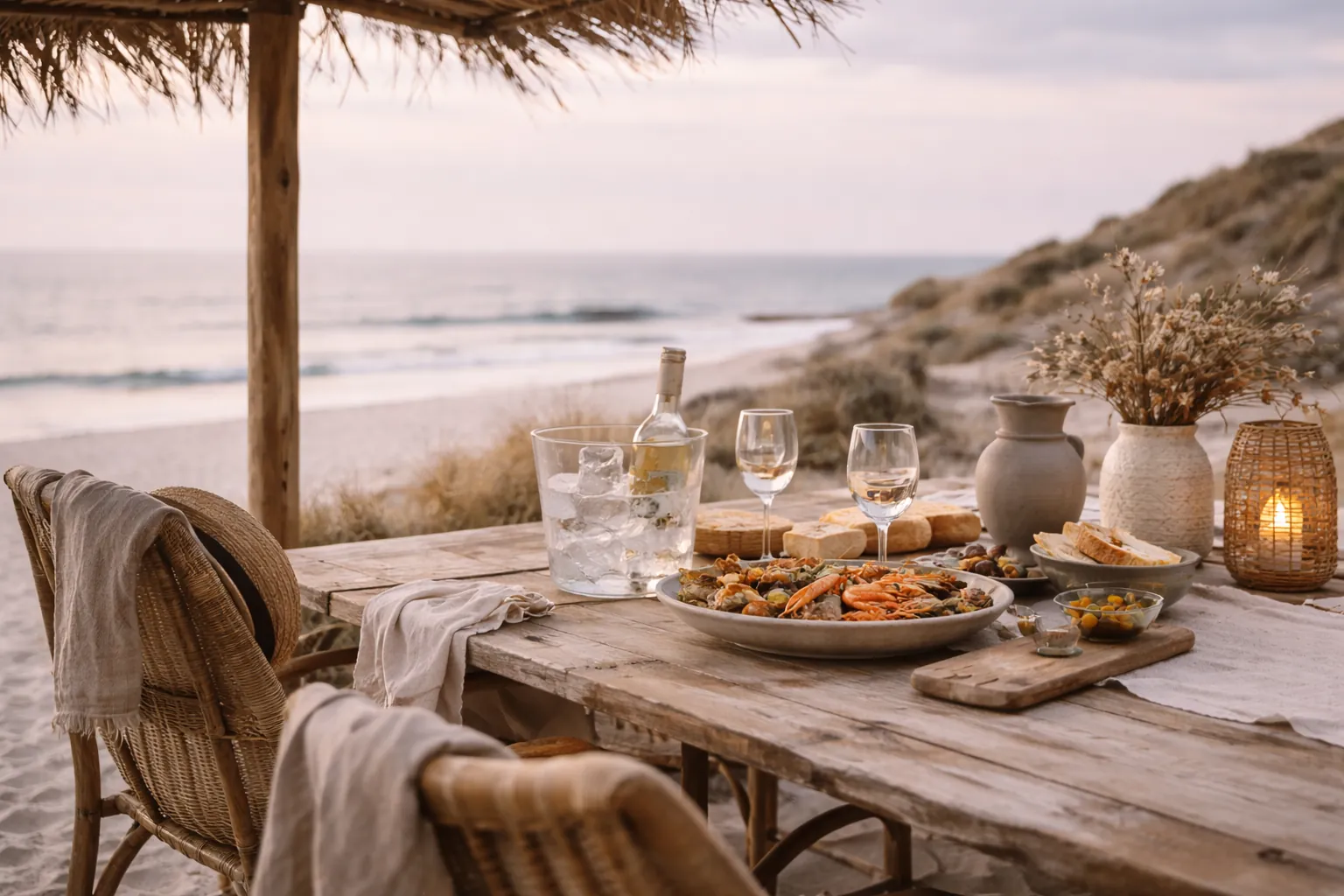
For decades it was known only to those who already knew: Lisbon families, a handful of designers, the occasional discreet name from Paris or Milan. It now has a quiet reputation as one of the most coveted destinations in Europe, and it has resisted the kind of development that ruined similar places. The restaurants are low-slung and open to the breeze. The beaches are long enough that they never feel full.
Where to stay
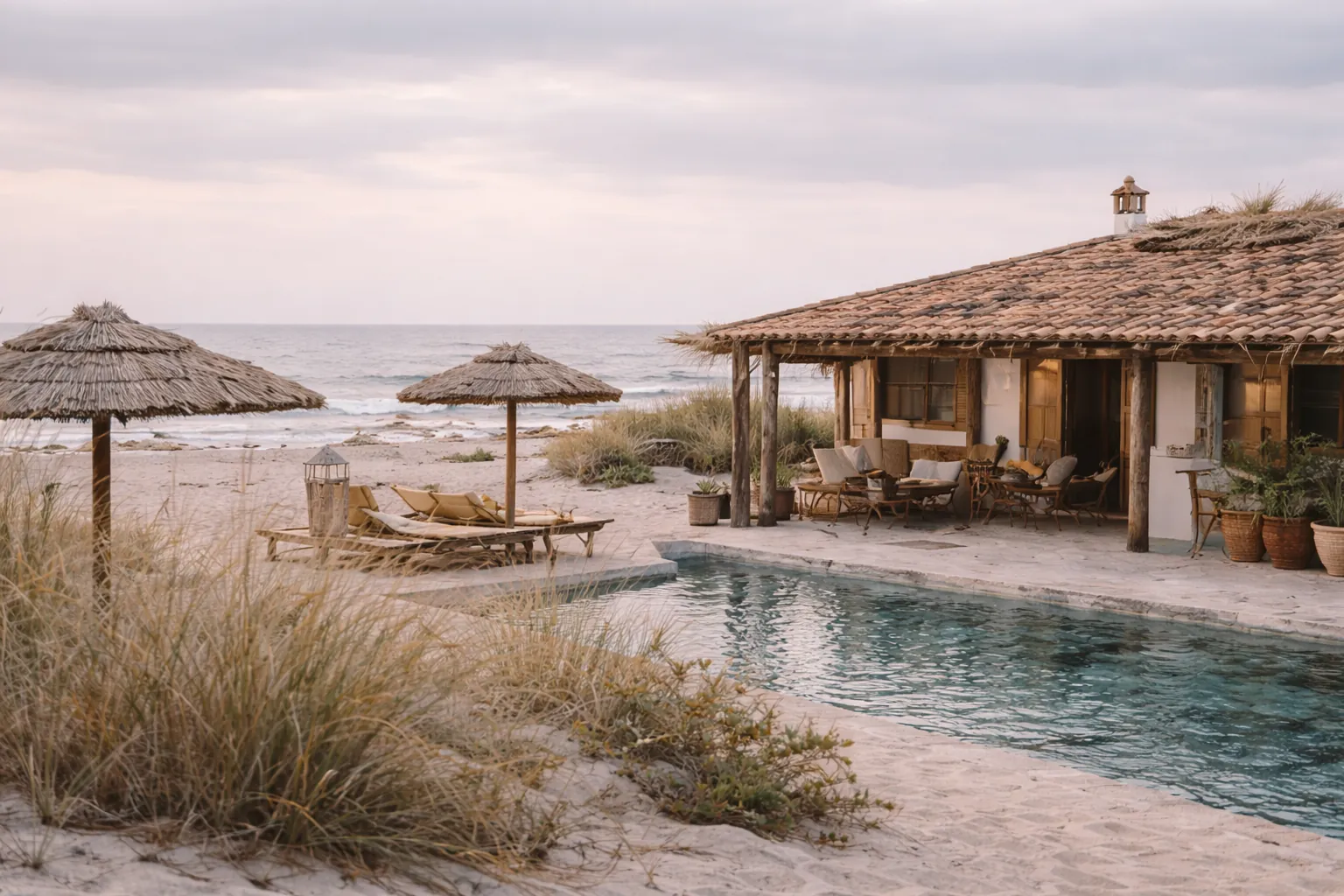
This is the decision that shapes the whole trip, and it is where Comporta is least like other destinations. The finest houses rarely appear online: they are shared quietly, within a network of owners and trusted intermediaries, and they book months ahead for the summer. A family that wants space and silence is placed differently from a couple who want to walk to the beach at sunrise, and knowing the difference is most of the work.
For hotels, the region holds a small number of genuinely special properties: Sublime Comporta set in its own pine estate, Quinta da Comporta at the edge of the rice fields in Carvalhal, and a handful of smaller houses run with real care. Each suits a different kind of stay, and preferred access matters more here than almost anywhere: the best rooms and the best houses go to the people who ask first, through the right channel.
The best of Comporta is not listed anywhere. It is passed along quietly, from people who know it to people they trust.
When to come
Late May through early October is the season. June is green and unhurried. July and August bring the crowds, the traffic on the N261, and the need to book every table weeks ahead; it is still beautiful, but it asks for planning. September is, in our honest opinion, the finest month of the year here: the water is at its warmest, the light softens to amber, and the coast empties back to the people who love it. We wrote about it separately, because it deserves it.
Winter is another country: most of the coast closes from December to February, the dunes turn wild, and the few places that stay open are full of locals. Some clients love it precisely for that.
The days themselves
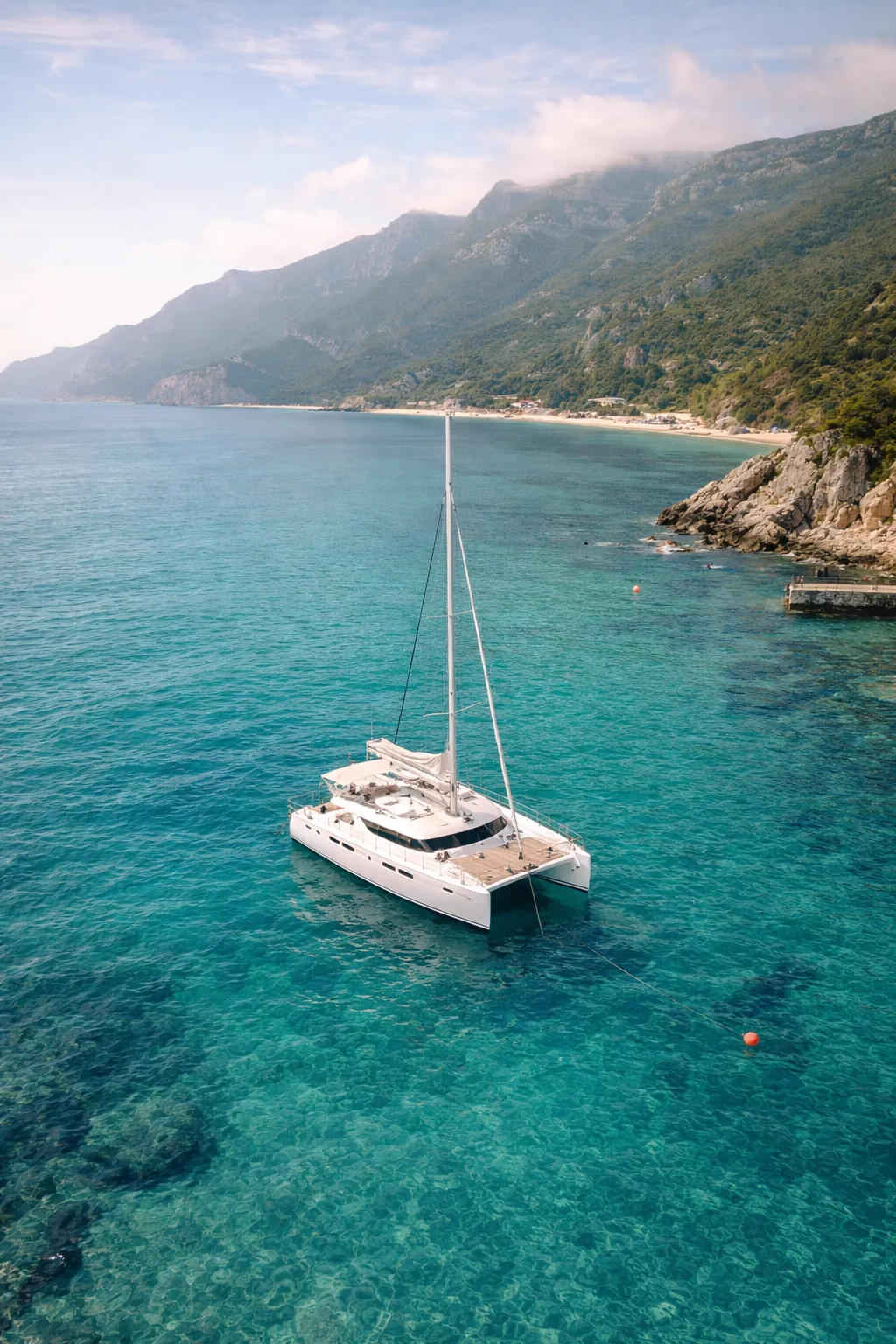
Comporta rewards a slower rhythm. Mornings are for the beach before eleven, when the sand is still cool and the boardwalks are empty, or for riding through the pine forest at golden hour. Lunch is long and usually by the sea. Afternoons are for the pool, the dunes, or a sail from Tróia with the dolphins that live in the estuary. Evenings begin with a drink somewhere low-lit and end at a table that was booked well before you arrived.
The distances are short but the details matter: which beach suits children, which restaurant deserves the drive, which day the wind turns. This is local knowledge, and it is the difference between a good stay and one that feels effortless.
Getting here, and getting it right
From Lisbon airport, the drive is roughly ninety minutes by private transfer, or there is the old route: car to Setúbal, ferry across the Sado, and the last stretch down the peninsula with the water on both sides. Once here, you want a car and a driver on call rather than a rental and a parking problem.
Comporta is not a place that improvises well in season. The houses, the tables and the boats are finite, and they go early. Whether you travel with us or plan it yourself, the honest advice is the same: decide your dates, then move quickly and quietly.